
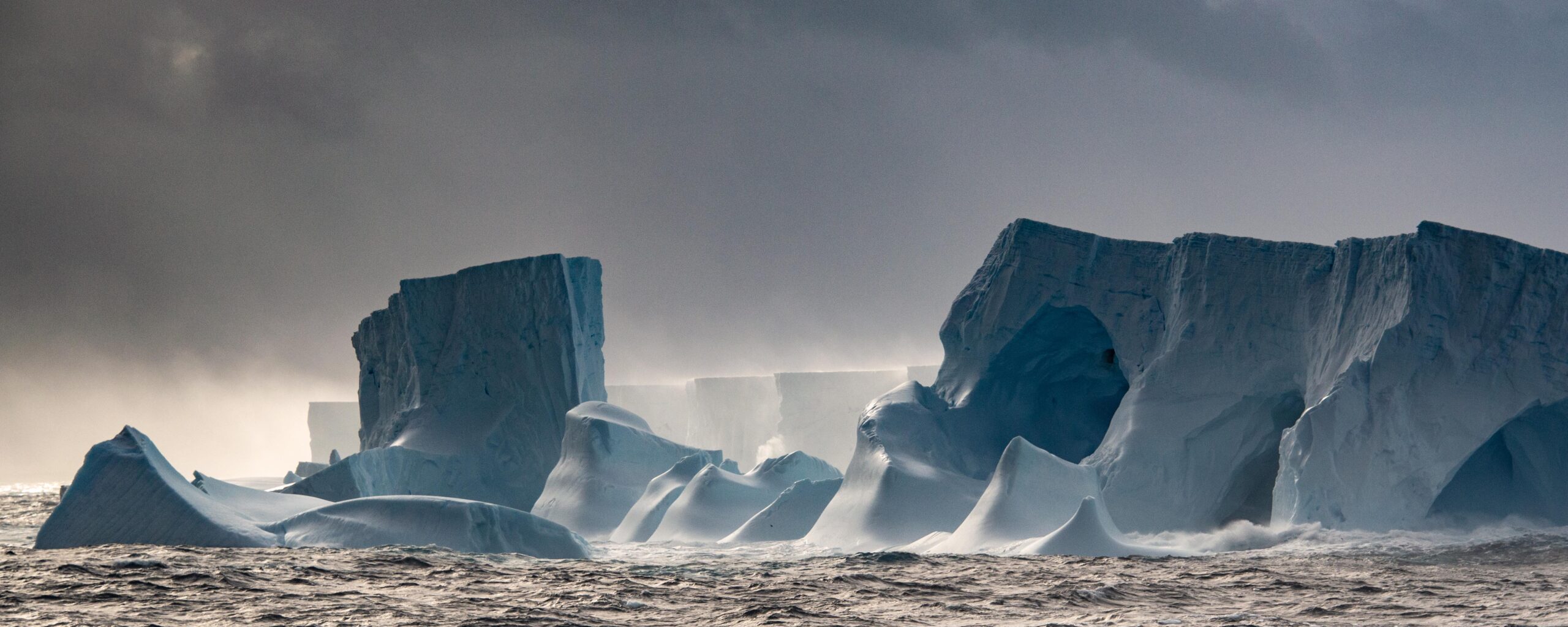
Antarctica is viewed by many as the end of the Earth. It is the coldest, highest, driest, windiest and most isolated continent. It poses great challenges for people working there and also for the animals on land and in the sea. This talk will discuss these problems and how both humans and the warm blooded animals such as penguins, seals and whales that live there cope. It will also discuss the surprisingly high biodiversity on the seabed and how the species living there have the most unusual and unique biologies anywhere on Earth, including fish that have antifreeze in their blood and tissues and sea spiders that grow to over 2 ft across and are thousands of times larger than the biggest in temperate and tropical environments. Finally the extreme vulnerability of these animals to climate change, their very poor abilities to survive warming and their poor future prospects will be presented.
Professor Lloyd Peck is a scientist at the forefront of investigation into animal adaptations in extreme environments. He leads a dedicated, innovative team of polar biologists evaluating how species live in the coldest, driest, windiest, most isolated place on earth. Lloyd has had 20 field visits to Antarctica in his over 30 yrs studying life in polar regions, and over 25 years experience of media presentations and interviews.
Lloyd’s research was recognised by the award of an Individual Merit Promotion level 2, his former role as NERC Biodiversity Theme Leader, election to a Research Fellow in Wolfson College, Cambridge University, being awarded an Erskine Fellowship from the University of Canterbury, New Zealand, a being a PLYMSEF Silver Medal winner, and being awarded the Polar Medal in 2008. He has 25 years’ experience in leadership and successful delivery of major and multi-faceted science programmes. He has supervised 49 PhD students, published over 340 science papers, reviews and book chapters, with a Web of Science H factor of 59. Grant income since 2008 is in excess of £8 M. He was the Royal Institution Christmas Lecturer in 2004, when the lectures were televised on Channel 4 TV, and followed this with televised lecture series in Japan, Korea and Brazil. He has given 46 keynote presentations and departmental seminars since 2005. Research interests focus on whole organism ecology and physiology, encompassing environmental constraints on animal capacities, adaptation to extreme environments and responses to environmental change.
Refreshments will be available from 30 minutes before the advertised start time.


To book your FREE place, please click Register Now from the event page on our website. Alternatively, just turn up!
Please see this page for directions to ARU by various modes of transport. If driving, note that parking at ARU is free in the evening. Please use the Queen's / Sawyers car park via Hoffmanns Way. If the barrier is down, press the call button and ask for entry.
Queen's Building
Bishop Hall Lane
Chelmsford
CM1 1SQ
United Kingdom